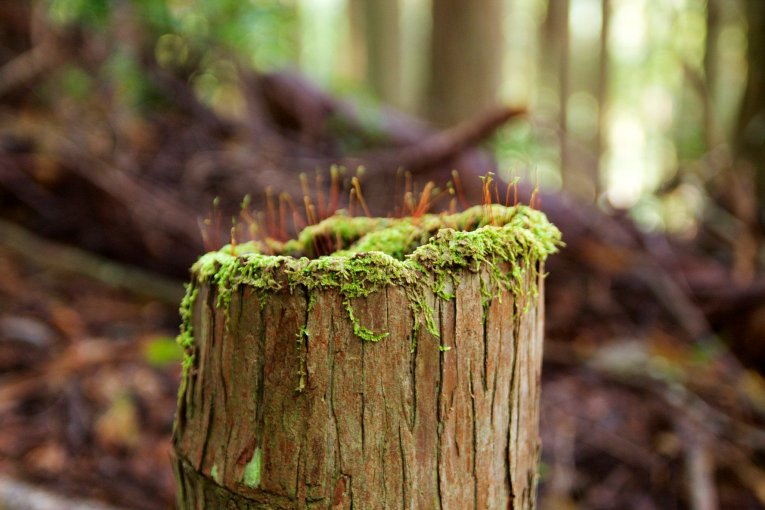
featured image kumano kodo iseji (1 of 1)

Pilgrimage: Lessons Learned Hiking the Kumano Kodo Iseji

Kumano Kodo Iseji: A Transformative Experience

When I began preparing to hike the Kumano Kodo Iseji Route, I had no idea what exactly it was I was signing up for.

You can throw around numbers like “14 days” and “170 kilometres”, but these are abstract concepts that don’t do justice to just how transformative a pilgrimage truly is.

No amount of time going over the Kumano Kodo Iseji website could prepare me for what the reality would be.

Over the course of our journey, Adventures Around Asia and I underwent changes that went far deeper than the weight we lost or the photos that filled our SD cards.

Wandering the mist-shrouded mountain passes, the rain-drenched forests, the sleepy villages, and the windswept beaches of Mie Prefecture changed me profoundly.

It’s only after some time back in the hustle and bustle of civilization that I’m able to reflect on my time there with clarity.

Lesson 1: Mie is Unquestionably Beautiful

The sleep still clings to me like a drowsy lover as I drag myself out of bed in the half-light of pre-dawn.

The tick tick tick of our radiator is the only sound save our shuffling steps as we cram scattered clothes into overfull packs.

It’s only day one of our two-week journey along the Kumano Kodo Iseji, but I’m already having my doubts. Do I really want to wake at dawn every morning so I can walk?

Like the dreams that fled at the sound of my alarm, my doubts leave abruptly as I stand on Futami Beach and witness a sunrise that seems to set fire to the ocean even as it brings the land to life.

kumano kodo iseji futami beach sunrise
The sunrise over Futami Beach is worth the 5.45am wake up.

It is said that the pilgrims attempting the Kumano Kodo Iseji Route would bathe in the chill waters of Futamiura to begin their pilgrimage, but we opt for a less jarring introduction to the route.

The ritual of washing our hands, making a donation, bowing, and clapping to let the gods know we are present is something that will accompany us along the length of the Iseji route.

Bowing at a torii gate is something that will become second nature.

By the time we leave our first shrine, I am energised in a way I didn’t think possible before 7 am.

kumano kodo iseji wedded rocks
Each shrine on the Kumano Kodo Iseji Route offers up something unique. These ‘wedded rocks’ caught my eye.

Lesson #2: Shintoism is Alive in Japan

Growing up in the west, religion is something that has always come with a sort of historical weight to it.

Churches, the towering edifices that stand as a tribute to our piety, come with them a sort of stuffy detachment from the world beyond.

When you cross yourself with holy water and cross the threshold, you are in a world of somber worship whose dusty pews, mournful tunes, and weathered priests speak to a religion apart from the people it purports to represent.

As I catch my first glimpse of the Ise Grand Shrine – our starting point for the Kumano Kodo Iseji Route – I am stunned by the contrast.

Here, the hymns are those sung by the birds above and the river in which we wash our hands before worship.

No moth-eaten carpet lines the aisle we walk towards the shrine. Instead, we are warmed by dapples of sun that dance through the branches of trees who seem to bow at our passing.

kumano kodo iseji ise jingu grand shrine
Visitors to Ise Jingu can wash their hands in the river before making their offerings.

While the bowing and clapping at each shrine wear the same solemnity of church services, there’s a sense of life and youth to this that is immediate.

Children wear traditional attire on their 3rd, 5th, and 7th birthdays as they visit the shrines.

Groups of friends or businessmen alternate between cheerful selfies and stone-faced worship.

While many may not hold with the belief that the gods who created Japan genuinely live in the stones and trees around which these shrines are built, there is a sense of warmth and tradition that shrouds these holy places.

This respect for the old ways is evident in many homes, where personal shrines take pride of place and carefully manicured gardens harken back to this unity with the natural world.

Lesson #3: Rural Japan is Stunning

Our first two days along the Kumano Kodo Iseji saw us walking the fringes of busy highways and the quiet neighbourhoods of Ise and Tamuru.

While there’s undoubtedly a certain beauty to the cities and towns of Japan, it was hard to feel like I was on a pilgrimage when buses, trains, and taxis whizzed by in mockery of our slow pace.

The path to Hayatama Taisha, our ultimate goal, is broken up by a number of toge – mountain passes that tested the endurance and the faith of those making the pilgrimage.

Our first such test came at Meki-toge halfway through our second day on the road.

An unassuming mountain of negligible height, it nonetheless acted as a kind of barrier between worlds.

We entered from a busy highway and emerged, some two hours later, into an idyllic rural paradise so far removed from Ise that it was like we’d stepped back in time.

kumano kodo iseji rural meki-toge
The farms of Mie Prefecture are every bit as eye-catching as the mountains and forests.

Like the fairy rings that once whisked travellers out of our world and into another, Meki-toge marked the point in our journey where we were no longer just people walking along the side of a highway.

We were pilgrims.

While Route 45 (the Kumano Highway) would weave in and out of our lives over the coming weeks, Meiki Toge would mark the beginning of a trek more in line with what we’d imagined.

Sun-drenched tea plantations, sleepy farming communities, bubbling streams, and smiling locals were to be our accompaniment as we finished the last kilometres of our second day on the road.

Lesson #4: Ryokan > Hotels

There were to be many highlights from our two-week journey along the Kumano Kodo Iseji, but our nights in locally run ryokan were a balm to us at the end of each day.

As our days got longer and the hiking grew tougher, our ryokan accommodation came to haunt us in much the same way a wavering mirage might taunt a man lost in the desert.

The transition from wooded mountain trails to brightly lit hotels would have been a jarring one, but removing our shoes, soaking in a hot onsen bath, and sleeping on futons spread over tatami matting felt every bit as natural as the dirt paths we trod.

Each ryokan owner greeted us with enthusiasm, cooked up decadent meals, and welcomed us into their homes as if we were a part of the family.

Whether they were asking us about our hometowns, treating us to local delicacies, doing our laundry by hand, or welcoming us into their living room for a meal with them, this feeling of community was every bit as warming as a hot bath and a good night’s sleep.

kumano kodo iseji ryokan breakfast
Utterly spoiled. Ryokan meals are amazing.

Lesson #5: Rain is the Old Enemy

We’d enjoyed good weather for the first four days of our hike, but our fifth dawned with angry skies and a steady fall of rain that urged us to stay in our warm beds.

Of course, that was not an option.

As we set out for our fifth day on the road, the sparking of flint over our shoulders acted to ward off bad luck and to send us on our way. It was at once both a nice gesture and a grim warning about the day to come.

Wearing a motley wardrobe of convenience store wet weather gear and regular clothing, we must have cut grim figures as we navigated our way through muddy forest tracks that were more stream than solid ground.

If our first four days had tested our fitness and our physical endurance, the constant rain and the bone-chilling cold would test our emotional endurance.

kumano kodo iseji kannon-michi-toge
The kiss of the sun is like manna from heaven after the cold rain.

Nisaka-toge and then Tsuzurato-toge were the first World Heritage-listed sections of our hike, but our appreciation of their ancient stone paths and stunning natural beauty were somewhat diminished by the slippery stones, wild winds, and fast approaching darkness that threatened to strand us on the mountain after dark.

It seems impossible that I could feel afraid in these modern times of constant connectivity, but as the sun began to dip behind the horizon and the trees cast ever-longer shadows, it was easy to imagine how frightened a pilgrim might have been.

There were no wolves or bandits to put our lives at risk, but the forest at sunset seemed plenty ominous.

Lesson #6: Getting Lost is Terrifying

Why were we hiking a mountain pass so close to sunset?

How did we get ourselves into a situation where we’d finish our day using the feeble light of our phones to pick our way through a pitch-dark forest?

Earlier that day, full of confidence with the Iseji navigator at hand, we’d set off down a path we’d thought was the Kumano Kodo Iseji Route.

At first, it all seemed totally normal.

The rain had temporarily let up and we were walking along a wide path surrounded by Japanese cedar and cypress. Pink ribbons, our constant companion for much of the Kumano Kodo Iseji thus far, hung from trees to mark the way.

We were cold and miserable, but we were on our way!

The pink ribbons are a lie.

For the next two hours, we tried first one path and then another.

kumano kodo iseji hopelessly lost
Hopelessly lost.

I clambered up embankments slippery with wet vegetation and half-waded across streams swollen by the day’s rain.

We’d find a bridge or a crumbled ruin and swear that this time, we were on the right track.

I found a dead crab, inexplicably lost in the middle of the wilderness, hours from the ocean.

We’d alternate wildly between relief and worry and outright rage before we finally realized, much to our embarrassment, that we’d taken a wrong turn and wandered into a tract of forest annexed for lumber.

The perils of relying on patchy 4G while hiking through the wilderness.

Despite knowing in our hearts that we weren’t truly lost, there were moments in that undeveloped maze of muddy paths, towering trees, and rain-bejewelled ferns that it was easy to forget that civilization lay just a few kilometres away.

There’s a sort of primal fear that takes over when you’re in a situation like that, and it was only after we’d returned to the highway that it loosed its grip on us.

Lesson #7: Not All Toge Are Created Equal

As we became more accustomed to our daily toge (mountain passes), it became easy to no longer see them as causes for intimidation.

All of them might have been physically taxing sometimes and all of them had their own unique charm, but we’d begun to feel more confident after a week of daily hiking.

Hajikami-toge, Miura-toge, and Magose-toge had passed without event. We felt, dare I say it, invincible.

Then came Binshiyama and Yakiyama, the two mountains that would remind us that for all of our fancy technology, comfortable footwear, and energy supplements, we were still very much human.

kumano kodo iseji bridge
These ancient paths each have their own stories.

Climbing the Elephant’s Back

A side-trek from Magose-toge, Binshiyama isn’t usually a mountain that falls on the Kumano Kodo Iseji route.

What sane pilgrim would take a break from their perilous, two-week pilgrimage to scamper up another mountain and take a few selfies?

Despite the insanity of the decision, we still found ourselves veering right at the top of Magose-toge park so that we could climb a 600m mountain and stand on a stone protrusion known as ‘zo no se’ – the Elephant’s Back.

It was on this long, unseasonably hot uphill slog that I began to feel grateful for all of the Great Wall expeditions Richelle and I had been taking.

The ascent was something like an Escher sketch – staircase after staircase after staircase after staircase. Sweat drenched me and my legs trembled whenever I paused for breath, but there was something exhilerating about a new challenge.

With each toge we’d passed, I’d felt myself tackling them with greater speed and confidence, so to meet a mountain that pushed me was an unexpected thrill.

And that view at the top? Magical.

kumano kodo iseji binshiyama zo no se elephant's back
Sorry, Mum!

Yakiyama – The Proving Grounds

A few days after we’d mounted the elephant’s back, we found ourselves staring up at the ominous form of Yakiyama – the highest and most challenging obstacle that lay between us and Hayatama Taisha.

In the bad old days of the pilgrimage, it was on the perennially shaded slopes of Mount Yaki that countless pilgrims would lose their lives to wolves, bandits, treacherous footing, and harsh weather.

A seemingly neverending ascent up moss-covered old stone, Yakiyama marked an intimidating halfway point on our journey.

If Binshiyama had left us with sore limbs and shaky ankles, it had also left us with a greater understanding of what we were capable of.

We took the Kumano Kodo Iseji’s most dangerous pass with relative ease, and stood atop it to gaze out at the cold steel of the Pacific Ocean and our ‘home stretch’.

Easy as it might have been, it wasn’t hard to imagine just how terrifying that mountain must have been in harder times.

kumano kodo iseji yakiyama
Yakiyama presents an intimidating obstacle on the road to Kumano.

Even at noon on a bright day, it felt as if we never quite left dusk. Save for a few insistent rays of sunlight that broke through to warm solitary patches of earth, we walked for hours in a fey twilight.

When the wind picked up, great trees would sway and groan in unison – a haunting chorus that could only have been worsened by the distant howl of wolves or the crunch of approaching footfalls.

Grave markers and tiny shrines line the ascent up Yakiyama, reminding you that forgotten bones and discarded good luck charms doubtless rot in the leaf litter that carpets the ground in autumn.

Even today, safe as modern Japan is, the tusk marks of roaming boars and bright signs warning about bears remind you that this is very much the wilderness.

We were invigorated and more than a little relieved to come down off the mountain.

Lesson #8: Hiking Is Painful

Obviously, I’d always been aware that hiking can be painful and comes with inherent risks.

And, despite the rigours of the Kumano Kodo Iseji, I managed to emerge unscathed out the other side.

Sadly, Richelle – who also wrote about her experience hiking the Kumano Kodo Iseji Route – was not as lucky as I was. A twisted ankle on Binshiyama meant more than a few days of sharp pain, leaning on walking sticks, and even having to miss a few passes.

Her warring desire to finish the Kumano Kodo Iseji in its entirety and to avoid serious injury formed a heart-breaking backdrop to the last few days of hiking.

While it’s true that I did have to press on through some toge alone while she remained behind with one of our guides, I can’t begin to fully express how proud I was to have her by my side for the majority of this trek.

Despite her own misgivings about hiking the Kumano Kodo Iseji Route, she soldiered on through the same tough uphills, the same bitterly cold days, and the same long stretches of highway as I did.

I couldn’t have wished for a better companion for the hike.

kumano kodo iseji uomachi
Richelle being awesome.

Hiking Alone

It felt strange to hike Nigishima-toge and Okamizaka-toge on my own. Like I’d left some important part of myself behind.

It felt like something akin to betrayal.

Richelle had set out on this adventure with me and here I was enjoying the cool mountain air and the quiet beauty of the forest while she was in pain.

Still, we’d both agreed that I should finish what we had started and she’d join me when she could.

For two hours I experienced the Kumano Kodo Iseji from a different perspective.

Gone was my conversational companion and the comforting presence of shared achievement – replaced instead with time for self-reflection and, I’m not ashamed to admit, a greater awareness of just how fucking sore my legs were.

When I came down from the mountain and got service back, it was funny to see we’d both texted to say we’d missed the other.

kumano kodo iseji choushi river
The autumn colours bring Mie to life.

Lesson #9: The Kumano Kodo is off-the-beaten-track

We’d always known that the Kumano Kodo Iseji route was a developing attraction that lay well away from Japan’s sometimes well-trod tourist trail.

Even the more well-known three-day Nakahechi Kumano Kodo is a bit of a rising star, and the longer Iseji route is still very much in the process of transitioning from a forgotten pilgrimage into something that can help support Mie Prefecture.

kumano kodo iseji towering trees
Wandering through unspoiled forest never gets old.

An Aging Problem

Our journey along the Kumano Kodo Iseji allowed us to see corners of Japan that you’d usually skip over on your high-speed train or in a short-haul flight.

We walked through villages whose glory days lay years before my own birth. Where smiling old faces welcomed us and perhaps remembered a time where their sleepy little town had been something more than a collection of quiet houses and boarded up businesses.

A day didn’t go by where we weren’t cheerfully greeted by a wizened local asking if we were on the Kumano Kodo Iseji.

The tours we took and the ryokan in which we slept were, almost universally, owned and staffed by people who are older than my own parents.

If they had one point of commonality, it was their enduring love for the Mie Prefecture and their hope that someday the Kumano Kodo Iseji could help play a part in restoring it.

Meeting and interacting with these passionate, kind people – it’s hard not to want to help with that.

Maintaining the Route

At 170kms in length – only parts of which are World Heritage listed – the Iseji Kumano Kodo requires a lot of ongoing maintenance.

While the local government takes care of the World Heritage listed toge, there are mountain passes and stretches of forest trail that endure thanks to the efforts of locals.

These tireless locals – many of them retired – trek up into the mountains to trim back encroaching forest and sweep leaf litter off old stone paths.

On several occasions, we found our path abruptly interrupted by fallen trees or washed away by the angry sea.

At Misesaka-toge, we clambered over fallen trees and underneath wind-flattened stands of bamboo.

Along the windswept beaches of Hadasu-no-michi, our path simply dropped where flooding had chewed away the sand and uprooted trees.

kumano kodo iseji oni castle
Richelle braves the Oni Castle.

There were points along the route – sometimes entire days – where we didn’t see a single sign marking the trail. Without the Iseji navigator app or the help of locals, we’d have had a hard time finding the route.

That’s to be expected along a trail of such length and varied terrain.

In time, as more people come and the trail becomes more viable, it is my hope that these problems will become a thing of the past.

Even with them, the challenge was never insurmountable. If anything, it was exhilarating to feel like we were discovering something new – however old it might actually be.

kumano kodo iseji kumano river
Next stop: Kumano Hongu Taisha!

Lesson #10: I Can Do Anything I Set My Mind To

In the last few days of our hike along the Kumano Kodo Iseji, it didn’t quite feel real.

Like those halcyon days in the lead-up to graduating from high school, it seemed impossible to fathom a life after something that had so defined our existence.

While fourteen days is nothing in the grand scale of our lives, the Kumano Kodo Iseji had occupied our every waking moment.

Whether we were hiking a toge or turning in for the night, we were fully immersed in the experience.

I may have come into the trek with doubts over whether I could do it, but as that last mile marker fell behind us and we approached Hayatama Taisha, I couldn’t help but feel a sense of pride.

kumano kodo iseji almost there
Unbelievably excited to be 168kms down and 2km to go.

And then the tears came…

We stopped for the obligatory photo opportunity at the entrance to Kumano Hayatama Taisha.

I doubt the pilgrims would have been so self-indulgent, but I can’t help but think there would have been plenty of cause for celebration having survived the arduous journey.

I bowed at my final torii gate and couldn’t help but feel disappointed.

Not in the experience or in the shrine, but that I didn’t feel more.

I had walked 170kms, tackled mountain passes I’d never have contemplated previously, and survived it all unscathed.

Why didn’t I feel more?

kumano kodo iseji hayatama taisha
The face of a disappointed man.

We rounded the last corner and saw a banner unfurled ahead of us. The team who’d acted as our support for the trip – every one of them – stood waiting.

Effervescent Matsu and her insta-fabulous Shiba Dog Rin, the ever-smiling Inoue, laughing Yamaguchi, affable Genki, the ever-patient Himi, and kind-hearted Murase all waited to congratulate us on what we’d done.

I cried.

Richelle cried.

There was something about having somebody else acknowledge what we’d done that made it more real. I’d known on some intellectual level that I’d done it, but I don’t think it had quite sunk in yet.

Seeing these people – each of whom had accompanied us at some point along the way – flooded me with memories of the hike.

Of sharing sake with Genki in a fancy hotel while my feet bled.

Of Yamaguchi-san playing ‘stalker’ as he followed in his car for day one of our trip.

Of Inoue’s sounds of surprise when we found our way barred by a bamboo grove flattened by a typhoon.

Of Himi quietly watching us struggle along the track between Obuki-toge and Kannon-michi-toge with all the confidence of somebody who tackled the 88 Shrines of Shikoku at the age of 28.

Of Matsu’s hauntingly beautiful rendition of a traditional folk song as we dined on mochi atop our final toge, Matsumoto-toge.

Of Murase playing doctor to Richelle’s poor foot in some forgotten fishing village.

kumano kodo iseji finish line
The gang together one last time.

Of walking along rain-drenched streets, sun-baked mountain passes, wind-blasted beaches, and cloud-darkened village roads.

Of serene shrines, picturesque tea plantations, steaming onsen baths, delicious ryokan meals, and stretches of unspoiled wilderness.

Of aching legs, bleary eyes, rumbling stomachs, and bloody feet.

Of setting out to do something and doing it.

kumano kodo iseji river view
Oddly, it was quiet moments on our own that stand out the most for me.

Kumano Hayatama Taisha might not have held the same spiritual significance to me as it did to the pilgrims who risked their lives to reach it, but I doubt everybody who walks the Camino feels any strong connection to Christianity, either.

In these days of instant gratification and easily accessible adventure, there’s something to be said for getting out there and earning that feeling of accomplishment.

And that’s as close to a spiritual experience as I think an agnostic is capable of coming.

kumano kodo iseji lion's head rock
From another angle, Lion’s Head Rock looks suspiciously like Donald Trump…

Lesson #11: Gratitude

It would be easy to let this devolve into a hackneyed outpouring of syrupy sentiment with a #blessed at the conclusion.

Still, it would be remiss of me to not acknowledge how lucky I felt to have the opportunity to not only hike the Kumano Kodo Iseji Route, but to play some small part in introducing more of the world to what is a criminally underrated experience.

Over the course of the next few months, Adventures Around Asia and I will be publishing itineraries, packing lists, ryokan booking guides, and more.

We want more people to experience what we experienced, not only so they can feel that same sense of accomplishment, but also so that the people who made our Mie experience so unforgettable can continue their great work on maintaining and restoring the pilgrimage route.

kumano kodo iseji binshiyama magose-toge
I don’t think I’ll ever tire of photographing the path to Kumano.

Obligatory Thank Yous

Thank you to the people from Toppan, Past Present Future, and Mie Prefecture who invited us to participate in the experience, assisted us in arranging everything, and made sure we were never too tired, too hungry, or too wet.

A special thank you to Yamaguchi-san for being the best stalker/support driver in history, Genki for enduring all of the highs and lows alongside us (even if it was from a heated car), Inoue and Himi for being enjoyable hiking buddies, and Matsu for making us laugh and cry in the space of twelve hours.

And lastly, thank you to Murase, who hiked the toughest stretches with us and saw the lowest lows. For going out of your way to make sure Richelle wasn’t hurt and for being a good friend across the entire trip.

There’ll be beers when your travels take you to Australia, mate.

kumano kodo iseji pilgrimage
I’m glad we didn’t have to hike the entire route in this.

A Disclaimer

We completed this hike in conjunction with the Mie Prefecture Tourism Ministry. We worked closely with Mie Prefecture to publicize the Kumano Kodo Iseji route and help bring more international travellers to Mie.

It’s our goal to make sure that you can do this route yourself without outside help or the ability to speak fluent Japanese. 

10 Things You Should Do Before Going on Holiday

10 Things You Should Do Before Going on Holiday

There’s always this whirlwind of activity right before you depart for a trip.

Whether it’s just a weekend away or it’s that dream trip around Africa or Asia that you’ve been planning for years, time has a funny way of running away from you the closer you get to your departure date.

Those long months, weeks, and days that seemed to stretch out forever ahead of you are suddenly all too little time to get everything done that you needed to.

The night before you set off, you find yourself juggling the competing demands of packing, last-minute itinerary planning, and a million other things.

In all of the chaos, it can be easy to forget things that might seem like common sense.

That’s where I come in!

mail

10. Figure out your mail and email situation

In the excitement of getting ready for your dream trip, it can be easy to forget about something as every day and humdrum as your correspondence.

Regular mail might be able to just be left at your house if you’re only going away for a day or two, but if you’re headed off on a longer trip or don’t have a waterproof place to keep your mail as it arrives, it might be worth setting up mail forwarding or even a mail hold.

When it comes to email, don’t forget to put an out of office notification up unless you want to be dealing with your emails the entire time you’re gone. Most email service providers have easy to set up auto-replies you can activate so people don’t think you’re ducking them.

credit card travel

9. Let your bank know where you’ll be

With identity theft and petty theft alike being a risk when you’re travelling abroad, banks are often hyper-vigilant to what might seem like a suspicious transaction on your account.

“Hmm… why is Joe Smith suddenly purchasing a massage in Thailand?”

To avoid the frustration of having a temporary block put onto your card, be sure to contact your bank and let them know which countries you’ll be travelling to. This way, they’ll know not to cut you off when you make a late night withdrawal in Las Vegas.

pets while travelling

8. Don’t forget your pets!

Obviously, you aren’t going to let your precious fur babies starve to death while you’re gone, but it’s always worth double-checking that everything is ready for their care while you’re gone.

While some people are lucky enough to have a friendly neighbourhood kid looking to earn some extra pocket money, others are more comfortable putting their beloved pets in a kennel while they’re away.

These days, more and more people are also looking towards house-sitters to take care of their pets. Don’t have a family friend who is willing to do it? Sites like Trusted Housesitters allow you to contact and interview potential housesitters who will stay in your home and take care of your pets while you’re away.

7. Turn off valuable electrical appliances

There’s nothing worse than coming back from a trip to find that an electrical storm has fried your TV or gaming console. While it’s an incredibly rare occurrence, why tempt fate?

Before I travel, I always run through the house one last time and unplug any non-essential, pricey electrical appliances such as televisions and computers.

While you’re at it, make sure you unplug any electrical appliances that won’t be needed while you’re gone. Your fridge probably needs to stay plugged in, but unplugging or switching off your hot water heater can be a great way to save some money while you’re away.

Oh, and don’t forget to make sure you have spare batteries for your camera and chargers for any travel electronics you might be taking with you.

Lastly, double-check that you’ve got the right adaptor for the outlet where you’ll be travelling. Check World Standards to be sure.

doctor travel insurance

6. Buy travel insurance

It seems like an obvious thing, but you absolutely need travel insurance when you’re travelling. While some credit card companies offer complimentary travel insurance to their members, I’ve always just taken out a comprehensive travel insurance plan with a company like World Nomads.

You know, except for that one time I accidentally forgot to do it and then broke my arm in Indonesia.

That was an expensive mistake I won’t be making twice.

If you’re doing any unusual or especially risky activities while you’re away, it’s a good idea to also check to see what is and isn’t covered. You’d be surprised what things might fall outside of your insurance policy if you don’t read the fine print.

Lastly, be sure to insure any expensive electronics you’re taking with you. Many policies don’t offer full coverage for things like laptops and expensive DSLR cameras, so you may need to insure these individually at extra cost.

fireman-firefighter-rubble-9-11-70573

5. Make sure your home is disaster ready

While we’re on the subject of unexpected disasters, it’s a good idea to also make sure your home is covered should the unthinkable happen while you’re away.

Just ask Adventures Around Asia, who went on vacation and came back to find her Chinese apartment had flooded while she was gone.

Making sure your home is disaster-ready is something that’s going to vary from place to place. If you’re in an area where theft or burglary is likely to be a problem, it might be a good idea to have somebody checking the house regularly.

If you’re like me and come from a country where things tend to spontaneously catch on fire every summer, taking steps to safeguard your house ahead of bushfire season is a must. You can find more on bushfires and bushfire safety here.

packing list travel

4. Double check your packing list

I’m sure you’re absolutely sure you have everything you need but are you really sure?

The last thing you want to do is get to that gorgeous stretch of beach and realize you left your swimmers on the line behind the house.

You don’t want to make the mistake of setting out for that epic hike through rural Japan only to find out that your hiking boots are still by the front door.

Check and double-check your packing list to make sure you’ve got everything you need for your trip. You’d be surprised at the things people forget to pack when they travel.

passport copy

3. Make copies of your itinerary and travel documents

This one might sound like the kind of suggestion an overprotective mother suggests right before you head off on your first Contiki tour, but there are some good reasons why you should make copies of your travel documents.

In the nightmarish event that you lose your passport or rail pass while you’re travelling, having a copy of an important travel document can really expedite the process of getting a replacement.

Don’t carry this copy in the same place as the original! Either pack it in a different bag or have your travel companion carry it for you. Rick Steves has some great information about making copies of your travel documents.

Lastly, make sure somebody back home has a copy of your itinerary and your travel insurance policy. While it’s extremely unlikely they’ll need it, it’s better that they have these documents on hand in case you’re injured or there’s a natural disaster where you’re travelling.

2. Double check your visa paperwork

This one might seem like a no-brainer, but you’d be stunned how many people arrive at the airport in their destination and realize they’re missing some vital part of their visa application.

Thankfully, a responsible airline won’t let you board a flight to a country that doesn’t offer visa free travel or visas on arrival, but make sure you have the relevant currency for purchasing visas, any vaccination certificates you might need, and/or a passport sized photo for the visa.

In some cases, you can apply for a visa ahead of time using eVisa sites or print out the visa form ahead of time, so look into this too.

Also, even in countries where visas are not needed, it is often a requirement that you have your outbound flight, train, or ferry booked. Don’t get caught at the airport buying an expensive last minute flight so they’ll let you on the plane!

fatherly doctor type

1. Check your health

If you’re heading off on your dream vacation, chances are you’ve already done your research about what vaccinations you need, what medications you should pack, and all of that other stuff.

Still, it’s always a good idea to check sites like Smart Traveller for the latest health and safety information. Take what you read on sites like this with a grain of salt, as they’ll often sound every bit as paranoid as that racist aunt we all seem to have.

A visit to your doctor to make sure your vaccinations are all up to date is a great idea too.

If it’s been a while since you’ve been to the dentist, make sure they’ve also signed off on your teeth. You do not want to be stuck abroad with a toothache! Not only can it be hard to find an English speaking dentist abroad, but costs vary wildly and travel insurance plans rarely cover non-emergency dental work.

Oh, and don’t forget to buy travel insurance. Is travel insurance worth it?

Don’t ask stupid questions. Just get it.

Seriously.

—————–

Now that all of that’s under control, it’s time to tilt your seat back, plug in your headphones, and get out there!

Your Say

What are your pre-travel rituals and routines?

road trip pacific coast highway

Planning the Ultimate Road Trip: Road Trip Essentials from the Experts

Planning the Ultimate Road Trip

Everyone knows I’m a huge fan of a road trip. From the Great US Road Trip to shorter Australian road trips, I’ve got something of an enduring obsession with the open road and the off the beaten track adventures you’ll find along the way.

If you’re planning on going on the ultimate road trip, whether alone or with friends, you’re going to need a few tips from the experts to ensure you have the best time imaginable. Although in an ideal world you’d be able to jump into your car/campervan and go, you do need to think of a few things first.

european road trip

Mapping & Navigation

Downloading Google Maps could help to get you out of sticky situation, whether you need food in the middle of nowhere or you’re trying to get a basic route worked out. It can help you in terms of where to go next, but also allow you to stay flexible if you want to go off on a little detour and explore.

If you’re worried about using up all of your data or battery life, consider downloading an offline mapping program such as maps.me. This handy little app lets you download the maps of a country so you can navigate even while offline.

Lastly, when it comes to planning a road trip, check out sites like Furkot to help you with finding accommodation, choosing the ideal route, and occupying yourself along the way.

road trip pacific coast highway

Your Vehicle

The kind of vehicle you choose will depend on the destination you’re visiting.

How many people will be going with you? You may need a simple car, or something more durable, like a caravan or campervan. An RV is going to save you a lot of money when it comes to accommodation during your trip, so consider an RV rental to better manage your budget.

Make sure you sort this out far in advance, get the mileage right, and research the best insurance. Make sure everything is in order before you set off too – don’t just trust that the place you’re hiring the vehicle from has it in the best condition.

Looking for caravan, campervan, and motorhome service and repairs, while you’re on the road will take a lot of time, but maybe necessary if you don’t double-check. If you already have your vehicle, make sure you do all of the necessary checks yourself. It may be worth dropping into a garage before the big day to be sure.

Entertainment

You can’t do many things while you drive, but you can listen to your favourite music and sing at the top of your lungs. Create playlists for the journey, or take some of your favourite CDs.

Spotify is great for this, as it can also create playlists on the fly based on your tastes and listening history. If you’re a Spotify Premium subscriber, you can even download your favourite playlists for offline listening.

Of course, there are plenty of road trip games you can play with your road trip companions to help pass the time as well.

Lastly, podcasts can be a great way to occupy the time while the miles roll by. Some of my favourites are Lore, My Dad Wrote a Porno, Hardcore History, Nerdist, Critical Role, and the Steve Austin Show.

wayne's world bohemian rhapsody
Legally speaking, it’s not a road trip until you’ve rocked out to Bohemian Rhapsody.

Look On Helpful Forums

Helpful forums, such as Roadtrippers, can be a great way to get all of the info you need on accommodation, sights, and more. You’ll never be stuck for where to go next!

Lonely Planet and TripAdvisor both have plenty of information, and it might also be worth checking out the reddit for the destination you’re heading to.

Finding The Right Person To Travel With

If you really don’t want to road trip alone, you need to make sure you find the right person to travel with. Ideally, they will have the same interests as you, because clashes are common when one wants to go sightseeing and the other wants to go drinking!

I’ve written at length in the past about how to be a good road trip companion, and I think finding somebody who fits that description can go a long way towards a fun road trip.

couple in tractor

Try Camping

If you do have a camper or caravan, it only makes sense to camp and save money on hotels. It’s also a brilliant way to meet people.

Bear in mind you can even camp in your car!

Avoid The Freeway

Why would you want to go on the freeway, when there’s so much you can miss? Take a road less travelled instead. Road trips are for going on detours, not for trying to get to places as quickly as possible.

Plus, what you save in time, you usually end up paying in tolls.

Anticipate Problems

Ensure you go on your trip prepared for every eventuality. You should have an emergency kit, numbers saved in your phone, a charger, water, and non perishable snacks. Don’t just assume that nothing will happen to you!  

I’ve written in the past about the various road trip essentials that you don’t want to be without.


More than anything, a good road trip is about seeing the places you’d usually skip on a plane or train, interacting with the locals, and learning more about the culture you’re exploring in the process.

Your Say

What are your best road trip tips?

Galway City: Ireland’s Best-Kept Secret

Galway City: Ireland’s Best-kept Secret

Photo by Yuichi Shiraishi / CC BY

Ask your friends to name a city in Ireland and Dublin will be the one that crosses everyone’s lips. It’s kind of inevitable. It’s the home of U2, the birthplace of Guinness and where the country’s main airport is located. But there’s so much more to the Emerald Isle than its expensive and busy capital which, incidentally, is overflowing with tourists and locally-based foreign professionals.

While Dublin has its many attractions, poetry and pints being the most notable, Galway City, over in the far-flung west of Ireland, has that rustic feel that many tourists expect from an Irish city. Yes, it’s a bit of a cliché to say so, but if you want to experience the “real” Ireland, then you need to get out of the capital and head west for the city perched along the Wild Atlantic Way.

Where is Galway City?

As the country’s most westerly city, Galway is located on the edge of the stunning Connemara National Park, an area that attracts millions of tourists each year. Yet incredibly (and thanks to a new motorway), the city is only a couple of hours’ drive from Dublin Airport.

So, what makes this city special?

Dublin is, of course, a great place, but as mentioned right here on this site before, it’s just a little bit overrated. Visitors to Galway, on the other hand, rarely have expectations of the city and thus feel pleasantly surprised by all that’s on offer. Now, make no mistake, there are plenty of tourists in Galway, along with an increasing number of European students on summer working holidays, giving the city a touristy vibe.

However, the size of the city compared to Dublin’s sprawling metropolis allows you to take in many of the sights on foot. It has the feel of a large town as opposed to a city, and there’s a notable difference in the attitude and mood of the locals. It’s the same in every country across the globe; the smaller the city, the more welcome visitors feel.

But it’s not just the welcome that impresses visitors to Galway. Take a walk through the city’s cobbled streets, and you’ll come across an impressive range of restaurants and cafés. As a matter of fact, Galway is known as one of the gastronomical hotspots of Ireland, and dining out here on any budget is a bit of an adventure.

It’s also ideally located right on the coast and home to one of the country’s popular summer destination, Salthill. This seaside resort is just a 15-minute walk from Eyre Square in the heart of the city, which tells you all you need to know about how easy it is getting around Galway.

A Rich History

Ever heard of the Spanish Arch? Maybe not, but if you’re Irish, then you’ll know it’s the only remaining arches from the city’s medieval wall. During this time, the city had close ties to Spain, and there were many Spanish traders and merchants that spent part of the year in the city. But funnily enough, there’s no actual connection between the Spanish and this piece of the wall.

The Spanish Arch is also home to Galway City Museum, a place where tourists can learn about the storied past of the western city. Although some of it might be a little depressing (the famine killed 20 percent of the county’s population), it’s an interesting place to visit, and a little more culturally aware than some of Dublin’s touristy museums.

A Gateway to Connemara

And finally, we come to the biggest attraction in the west. Galway City is the gateway to Connemara. This massive national park is home to some of the most stunning scenery imaginable, and during the summer months, tens of thousands of tourists flock to the area each week. But even with all those tourists, it’s still easy to find yourself on a patch of winding country road with not a single soul visible in any direction. Aside from the native Connemara ponies that is.

hiking the kumano kodo

Preparing to Hike Japan’s Criminally Underrated Kumano Kodo

What is the Kumano Kodo?

When I was first contacted by a representative of Mie Prefectural Government about hiking the Kumano Kodo, I must confess to not having heard of the hike.

While I’ve been aware of iconic hikes such as Europe’s Camino de Santiago and the Pacific-Crest Trail in the US, it felt odd that I hadn’t heard of this stunning pilgrimage whose ancient ways criss-cross the Kii Hanto peninsula connecting the Three Grand Shrines of Kumano: Kumano Hongu Taisha, Kumano Hayatama Taisha, and Kumano Nachi Taisha.

With more than 1,000 years of history, the Kumano Kodo is actually one of only two pilgrimage routes in the world that have been given a UNESCO World Heritage designation.

The other, of course, is the Camino de Santiago.

Overview

There are three main routes to the Kumano Kodo: the popular Kiji route, the short but difficult Kohechi route, and the picturesque Iseji route.

It’s this last route that Adventures Around Asia and I will, over the course of 14 days, tackle in its entirety.

Starting in Ise and finishing in Kumano, our trek will see us paying homage at ancient shrines, hiking idyllic mountain trails, overnighting in traditional ryokan accommodation, and soaking in one of Japan’s most off the beaten path and criminally underrated destinations.

History of the Kumano Kodo

For more than 1,000 years, people from all walks of life would tread these trails en route to the sacred Kumano region of the country.

Home to the Ise-Jingu Shrine, the aforementioned Kumano Sanzan shrines, Koyasan, and other important religious and cultural sites, the Kumano region has a long association with both Buddhism and traditional Japanese mythology.

While the Kumano Kodo (literally Bear Plains Old Road) has a number of starting points and routes, the journey to Kumano was every bit as important as the destination. Making the pilgrimage was just as much about the beautiful, sometimes dangerous journey and the shrines along its length as it was about the destination.

pagoda nachi falls kumano kodo
Image courtesy of Big Ben in Japan

Preparing for the Kumano Kodo

It’s not every that I, a self-confessed fat boy on the road, get asked to tackle multi-week hikes through rugged mountain terrain.

While I regularly tackle tough portions of China’s Great Wall and have tried my hand at both gorilla trekking in Uganda and orangutan trekking in Sumatra, I’m not commonly associated with being the hiking type.

I must confess to being a bit daunted by the prospect of 14 days of hiking 10 – 20kms a day, sleeping on tatami mats, and eating local food. I’ve become accustomed to my little home-office in Beijing, my delivery Chinese food, and my DiDi (Chinese uber) rides about the city.

And while Japanese culture has forever fascinated me, I don’t know nearly as much about the language or the culture as I’d like.

It’s fair to say that we’re both going into this realizing what an ambitious adventure it is.

I’ve said for some time now that Aussie on the Road is all about “ambitious travel for the adventurous soul” and I think the Kumano Kodo most definitely qualifies. It’s going to be the biggest travel challenge I’ve ever set myself, but I’m excited to test myself against it.

Getting Fit for Travel

Despite my somewhat portly appearance, I’m actually quite happy with my current level of fitness.

While I won’t be running any marathons in the near future, my recent treks on the Wild Wall and to the peak of Jade Dragon Snow Mountain in Yunnan have reminded me that I have an excellent level of cardiovascular fitness when it comes to sustained exercise.

In a recent trip to Gubeikou, I regularly found myself racing ahead up the crumbling wall only to have to come back and fetch my beleaguered travel companion.

Still, I’d be lying if I said I was in peak hiking condition, so I’ve made a point of trying to get fit for my upcoming trip.

kumano kodo hiking
Image courtesy of Amazing Japan

The Couch to 5k

It seems an eternity ago that I was running regular 5ks ‘just for fun’ and tackled the City 2 Surf two years in a row, so Richelle and I reintroduced the Couch to 5k into our lives a few months back.

For those who don’t know it, the Couch to 5k is a great fitness program to get you from ‘couch potato’ to somebody capable of running a 5k race.

I used the program back in 2009 to get from somebody who couldn’t walk up a mild hill without profusely sweating to somebody who ran a 24 minute 5k less than a year later.

While our constant travels have made it difficult for us to actually complete the program on schedule, we’ve definitely seen some great progress in both our times and our distances so far.

Hiking the Wild Great Wall

For a more practical bit of hiking practice, Richelle and I have made a half dozen treks out to various wild sections of the Great Wall of China this year.

From the relatively well-restored sections such as Mutianyu and Huanghuacheng to crumbling edifices like Shuicheng and Jiankou, we’ve taken them all on with aplomb and snapped some great photos along the way.

Our most recent hike saw us revisit the steep inclines, ruined stairs, and scrub-choked heights of Jiankou, this time with laden packs and fully charged cameras.

gubeikou wild wall
Photo courtesy of Adventures Around Asia.

Are We Ready?

Is there really any way to know until we’ve taken on the Kumano Kodo?

While both of us can confidently walk twenty or more kilometers in a day and live to tell the tale, it’s a different story to be doing that for two weeks while sleeping in unfamiliar beds, eating unfamiliar foods, and communicating in an unfamiliar tongue.

But are we excited about the challenge?

You’re damn right we are.

Packing for the Kumano Kodo

A trek the length of the Kumano Kodo presents a number of challenges when it comes to packing, especially when you combine the 14-day trek with a two week exploration of Tokyo, Kyoto, and Osaka and the fact we’re leaving China and heading back to Australia.

To say we’re juggling a lot of conflicting packing demands would be an understatement.

hiking the kumano kodo
Image courtesy of David Z

What to Wear Hiking the Kumano Kodo

While I love getting out for a day hike, I don’t own much in the way of hiking appropriate gear.

My wardrobe has two settings: shorts + t-shirt and jeans + jacket.

While shorts and a t-shirt might suffice in the warmth of spring or summer, we’ll be heading to the Kumano Kodo as winter approaches and temperatures spiral ever closer to 0C.

With that in mind, my old friend Taobao has been working overtime as I’ve ordered hiking pants, hiking boots, new sneakers, thick socks, backpacks, and all manner of other paraphernalia.

The Risk of Overpacking

The warring demands of ‘having enough to wear’ and ‘having to carry everything on my back’ have made me keenly aware of everything I’m packing, but it won’t be until I’ve had to carry my pack for a day that I’ll know how well I handled packing.

Electronics and Connectivity on the Kumano Kodo

As much as I would love a #digitaldetox, part of our partnership with Mie Prefecture is producing Instagram, Facebook, Twitter, and blog content regarding our adventures across the peninsula.

With that in mind, we’ll be traveling with smartphones, DSLR cameras, and laptops to ensure you don’t miss a second of the action while we’re out on the road.

Thankfully, we’re overnighting in a variety of ryokan and guesthouses where we can charge up and do some frantic Lightroom editing!

Moving Home

The biggest challenge in packing for the Kumano Kodo for us has been the fact we’re bidding farewell to China and heading out on the road full time immediately before the trip.

So, we find ourselves having to pack up our belongings to ship home and cramming both summer and winter clothes into our packs for the transition from Japanese winter to Australian summer.

I’ll have a PC desktop tower in my carry-on, we’ll have external hard drives and backup cameras in our backpacks, and a whole extra checked bag each of Christmas presents, summer clothes, and keepsakes.

Thank God we’ve organised to keep the excess baggage in storage until we’re ready to fly home!

Our Kumano Kodo Itinerary

As I’ve stated before, there are multiple routes one can take along the Kumano Kodo. While the three-day Nakahechi route is the most popular with tourists, we’ll be traveling the more ambitious and less crowded Iseji route.

While Japan’s rapid modernistation and urbanization has meant that parts of the traditional route no longer exist, we’ll still be traversing almost 160km of its 170km route on foot.

Along the way, we’ll occasionally make use of a car to get us between trails, stop off at local landmarks and attractions in the Mie Prefecture, and pay our respects at several of the 3,000+ shrines that exist along the pilgrimage.

Rather than give you a blow by blow of our whole itinerary, I thought I’d highlight the things I’m most excited about.

kumano kodo graves
Image courtesy of rurinoshima

Ise Grand Shrine

The starting point for our hike is the iconic Ise-Ji Shrine located in the city of Ise.

A sprawling complex that covers an area roughly the size of Paris, the Ise Grand Shrine is home to 125 Shinto shrines surrounding the spiritually significant Kotaijingu (Naiku). More than 2,000 years old, this site is where one of Shintoism’s ancestral deities was said to have been interred more than 2,000 years ago.

More than ‘just another shrine’, Ise Grand Shrine is one of Japan’s most spectacular spiritual sites.

kumano hayatama shrine
Kumano Hayatama Taisha. Image courtesy of 顔なし

Kumano Hayatama Taisha

The original purpose of the Kumano Kodo was to visit the Kumano Sanzan – the three great shrines.

While our route does not take us to all three of the shrines, we do finish our trip with some time to pay homage at Kumano Hayatama Taisha.

Located at the mouth of the Kumano-gawa River, it is a place of extreme serenity and tremendous religious significance.

A fitting reward for walking more than 150 kilometres, I think!

Staying in Ryokan

At the end of each of our long days on the road, we’ll be staying in a variety of locally run ryokan (guesthouses).

Much like the Camino in Spain, staying with locals is a big part of the pilgrimage experience.

Relaxing in the waters of warm onsen to soak off the dust of the trail, stretching out on a futon on tatami matting, and eating freshly prepared local cuisine are every bit as much a part of the experience as the hike itself.

ryokan meal kumano kodo
Image courtesy of evilhayama

Eating Japanese Food

While we’re on the subject of food, I am beyond excited to sample traditional Japanese cuisine away from the hustle and bustle of modern Japan.

Hiking with bento boxes, breakfasting on fresh fish and vegetables, sipping miso soup or fresh-brewed tea… it’s all a big part of the appeal for me.

I swear, if we’re not able to lose weight eating all of this fresh food and hiking all of these miles, we’re doing something wrong!

The Hike

To me though, the highlight of this experience is going to be the achievement of completing such an ambitious hike.

I’ve had plenty of 15-20km days wandering around Beijing, Nanjing, or my own quiet corner of Australia, but to string twelve days of hiking together is going to be one of my greatest travel achievements.

It’s one thing to say “The journey is every bit as important as the destination” and quite another thing to actually mean it, but I can’t wait to complain about my aching legs, the stink of my shoes, and the tiredness I feel even as I marvel at unspoiled natural beauty, be humbled at sites of ancient religious significance, and savour the experience of truly immersing myself in a country and its culture.

kumano kodo 2
Image courtesy of Takayuki Masuda

A huge thank you to Mie Prefecture for making this excursion possible. While we’ll be guests of Mie Prefecture for the duration of our Kumano Kodo hike, all thoughts and opinions will be my own.